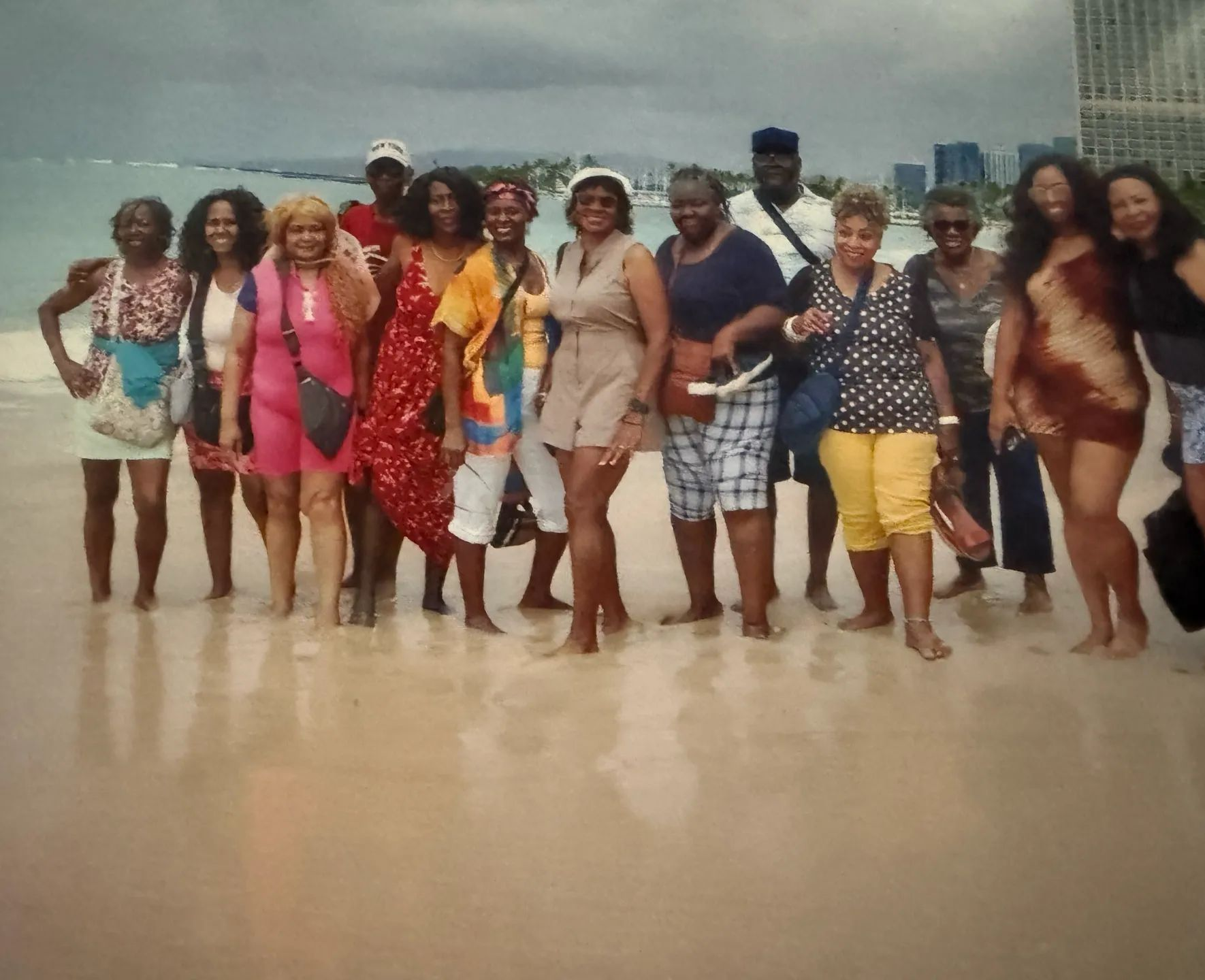
Exploring Local Culture Through Guided Tours: Why Activities Make Your Trip Unforgettable
Travel has evolved far beyond the simple act of moving from one destination to another. Modern travelers increasingly seek experiences that are immersive, authentic, and enriching. One of the most effective ways to achieve this is through guided tours that focus on local culture. These tours do more than provide sightseeing opportunities—they connect visitors with the traditions, history, and daily life of the communities they explore. By participating in curated activities, travelers gain insights that go beyond surface-level attractions, allowing them to engage with destinations on a personal and meaningful level. Whether it’s tasting regional cuisine, learning traditional crafts, or exploring historic neighborhoods, guided tours open the door to experiences that are both educational and memorable.
Beyond just providing information, guided tours offer structured interactions with local experts who bring context, stories, and insider knowledge to every experience. This combination of knowledge, engagement, and hands-on activities ensures that travelers leave with a deeper understanding and appreciation of the culture. In a world saturated with generic travel experiences, guided cultural tours stand out as a way to create unforgettable memories, connect with local communities, and foster a richer perspective of the places visited.
1. Understanding Local Culture Through Immersive Activities
What Makes Cultural Immersion Effective
Cultural immersion goes beyond observing landmarks; it involves actively participating in the traditions and lifestyles of the local community. Guided tours offer curated activities that provide this level of immersion. By engaging in hands-on experiences such as cooking classes, art workshops, or local festivals, travelers experience culture in a tangible and impactful way. These activities often reveal nuances of everyday life that would otherwise be overlooked, from local etiquette to community values. Immersion helps create an emotional connection to the destination, which can enhance the overall travel experience and leave lasting memories.
Real-World Example: Culinary Tours
Culinary tours are a prime example of immersive cultural experiences. In cities known for distinctive cuisine, such as Florence or Bangkok, guided tours often include visits to local markets, cooking demonstrations, and tastings of regional dishes. Travelers gain insight into ingredient sourcing, preparation techniques, and cultural significance. This approach not only satisfies the senses but also provides context that connects food to history, geography, and social customs. For many visitors, these shared activities become highlights of the trip, offering both enjoyment and education simultaneously.
Benefits of Hands-On Cultural Engagement
Participating actively rather than passively observing fosters deeper retention of knowledge and a stronger sense of connection. Travelers often report a heightened appreciation for local communities, increased cultural sensitivity, and personal satisfaction from learning new skills. Additionally, hands-on activities encourage interaction with local guides and residents, leading to authentic stories and unique perspectives that typical tourist experiences cannot provide.
2. The Role of Expert Guides in Enriching Experiences
Knowledge as a Bridge to Culture
Expert guides are essential in transforming guided tours from mere sightseeing to meaningful cultural exploration. Their understanding of history, traditions, and local dynamics allows travelers to interpret the environment in a richer, more nuanced way. Guides can highlight connections between landmarks, explain symbolic meanings, and reveal hidden gems that are not widely known. This depth of knowledge ensures that travelers gain a contextual understanding of what they see, hear, and experience.
Personalized Learning Opportunities
Guides can tailor experiences to different interests and levels of knowledge, enhancing the value of the tour. For example, a visitor interested in architecture may focus on historical buildings and design principles, while a culinary enthusiast may dive deeper into local food customs. This personalized approach maximizes engagement and makes the cultural exploration relevant and memorable. Travelers are more likely to internalize lessons when they feel the content resonates with their personal interests, creating a more profound connection to the destination.
Expert Insight: Beyond Facts
A skilled guide does more than recite facts—they weave narratives that bring the culture to life. They share anecdotes about local traditions, personal experiences, and historical contexts that deepen understanding. For instance, learning about a centuries-old festival directly from a guide who grew up participating in it can transform the visitor’s perception, making the cultural experience vivid and authentic. These insights often inspire curiosity, encouraging travelers to explore further even after the tour ends.
3. Engaging Through Interactive and Participatory Activities
The Power of Participation
Guided tours that incorporate participatory activities engage travelers in ways passive observation cannot. Activities such as traditional dance classes, pottery making, or guided hikes through culturally significant landscapes create an interactive learning environment. By actively participating, travelers experience the culture on a sensory level, which enhances both enjoyment and comprehension. Interactive activities also encourage collaboration and communication with fellow travelers, fostering shared experiences and social connection.
Example: Festival Participation
Attending a local festival with guided explanations can transform a standard sightseeing visit into an immersive cultural adventure. For example, participating in India’s Holi festival or Spain’s La Tomatina, under the guidance of local experts, provides insight into the historical and social significance of the event. Guides can explain the symbolism, rituals, and etiquette, helping visitors navigate unfamiliar cultural norms. Such activities make the trip unforgettable because travelers become part of the event rather than mere spectators.
Best Practices for Participatory Tours
- Choose tours that balance engagement with cultural respect to avoid inappropriate interactions.
- Ensure activities are accessible and suited to your physical ability and interests.
- Prepare questions in advance to maximize learning opportunities from guides and local experts.
- Respect local customs and traditions during participation, enhancing both authenticity and ethical tourism practices.
4. Connecting With Local Communities and Stories
Storytelling as a Cultural Gateway
Guided tours often provide more than physical experiences—they connect travelers to the stories behind the culture. Local guides and community members share narratives about heritage, folklore, and personal experiences that enrich understanding. These stories help travelers appreciate the values, struggles, and achievements of the community, creating a deeper emotional connection. By learning stories firsthand, visitors gain perspectives that are rarely captured in guidebooks or online resources.
Community-Based Experiences
Tours that prioritize community engagement, such as visiting family-run farms, artisan workshops, or cultural centers, benefit both travelers and locals. Visitors experience authentic practices, while communities gain opportunities to share traditions and generate income sustainably. This reciprocity strengthens cultural preservation and allows travelers to feel part of a living, evolving cultural ecosystem.
Practical Benefits of Local Connection
Establishing connections with local communities enhances the travel experience in multiple ways:
Provides insider knowledge of hidden attractions, dining spots, and experiences.
- Encourages respect for local culture and sustainable tourism practices.
- Facilitates personalized recommendations based on authentic insights.
- Creates meaningful interactions that lead to memorable, unique experiences.
Real-world example: A walking tour in New Orleans guided by local historians includes stops at family-owned jazz venues, allowing travelers to hear personal accounts of the city’s musical evolution. Participants gain cultural knowledge, insider tips, and a deeper appreciation for local heritage.
5. Overcoming Challenges and Maximizing Value
Common Challenges in Cultural Guided Tours
While guided tours offer numerous benefits, travelers may encounter challenges such as overcrowded attractions, language barriers, or insufficient customization. Additionally, some tours may lean too heavily on entertainment without providing meaningful cultural insights. Being aware of these challenges helps travelers choose tours that are genuinely enriching rather than superficial.
Strategies for Selecting Quality Guided Tours
Research guides and companies with strong local expertise and positive reviews.
- Opt for smaller group tours for more personalized attention and better interaction.
- Prioritize tours that include hands-on, immersive activities over purely observational itineraries.
- Confirm that tours promote ethical and sustainable engagement with communities.
Expert Tips for Enhancing Cultural Experiences
- Approach each activity with curiosity and openness; active engagement improves retention and enjoyment.
- Ask questions and seek explanations for local customs, cuisine, and traditions.
- Document experiences through journaling or photography to preserve cultural insights.
- Share experiences with others respectfully, promoting awareness and appreciation of the culture.
By anticipating challenges and applying strategic approaches, travelers can maximize the value of guided tours and ensure their experiences are meaningful, authentic, and unforgettable.
Trusted Travel Agency Delivering Cultural Immersion Experiences
Guided tours that emphasize local culture and hands-on activities provide far more than sightseeing—they offer immersive, educational, and memorable travel experiences. By participating in local traditions, interacting with expert guides, and connecting with communities, travelers gain insights that transform ordinary visits into extraordinary journeys. These experiences foster personal growth, cultural awareness, and lasting memories, ensuring that each trip leaves a meaningful imprint on both the traveler and the community.
For travelers seeking reliable, authentic cultural experiences, partnering with an experienced travel agency can make a significant difference. Footman Travel Agency LLC, with 30
years of expertise, serves clients across South Carolina, North Carolina, Michigan, Maryland, Texas, Philadelphia, Virginia Beach, Georgia, South Florida, and Columbia.
Specializing in curated guided tours and activity-based cultural experiences, the agency ensures every trip is immersive, safe, and memorable. By leveraging decades of industry knowledge and local connections, Footman Travel Agency LLC
crafts personalized itineraries that highlight the richness of each destination. With a focus on authenticity, quality, and customer satisfaction, travelers can explore local cultures confidently, knowing their journey will be both enriching and unforgettable.